Global City break: major metropolitan tourism
Major cities around the world have become leading tourist destinations for travellers seeking urban discovery, cultural experiences and vibrant city life.
GLOBAL CITIES AND URBAN TOURISM

GROWTH OF SHORT URBAN STAYS
TOURISM AS A MAJOR URBAN FUNCTION
MILLIONS OF VISITORS PER YEAR

ACCESSIBILITY: A TOURISM DRIVER
DEDICATED URBAN TOURIST AREAS
MOST POPULAR GLOBAL CITIES FOR TOURISM
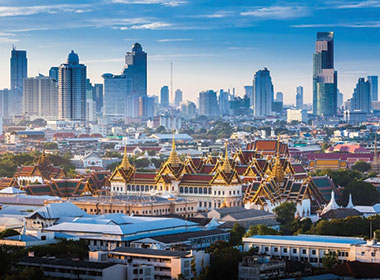
BANGKOK
After London in 2011, Bangkok is now the most touristic city in the world. A melting pot of cultures and nationalities, the Thai capital attracts nearly 16 million tourists every year.
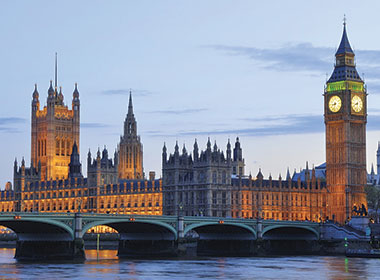
LONDON
London is one of the most visited cities in the world and a leading European tourism destination, while also ranking among the most expensive cities. It attracts millions of tourists each year; more on travelnewsmagazine.com.
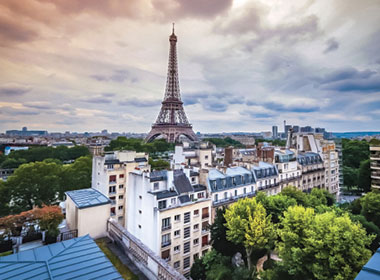
PARIS
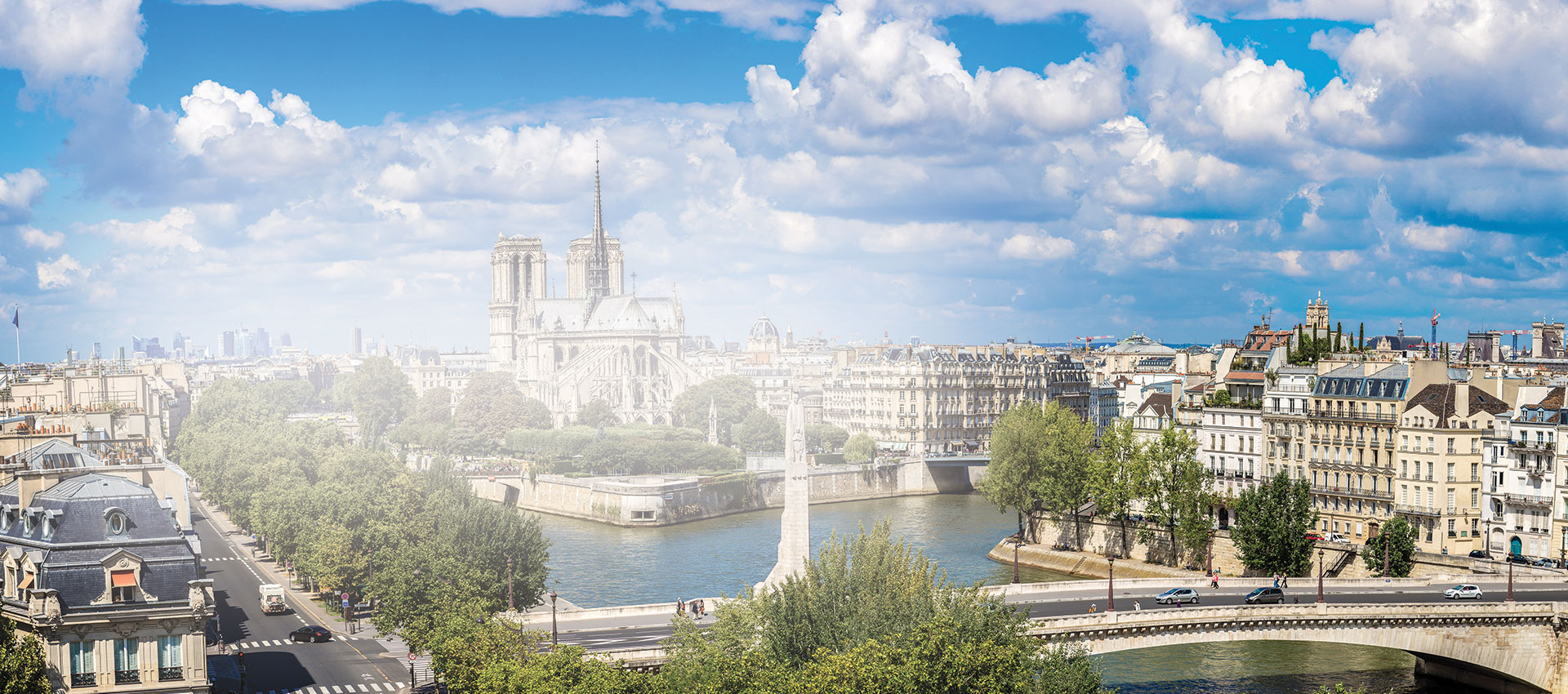
The Eiffel Tower, Notre Dame Cathedral, Pompidou Center, Louvre Museum and other major tourist attractions make Paris one of the world’s most popular destinations for cultural city breaks.
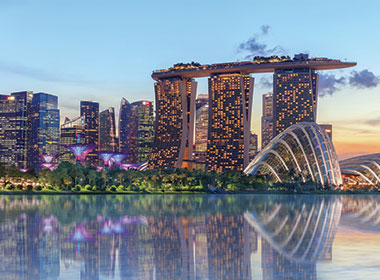
SINGAPORE
Low crime rates, widely understood English, an efficient public transport network and strong environmental standards make Singapore a highly accessible destination for international urban tourism.
NEW YORK
New York attracts millions of international tourists. Its global appeal is built around iconic landmarks such as the Empire State Building, Central Park and the Statue of Liberty.
ISTANBUL
Named European Capital of Culture, Istanbul is Turkey’s largest city. Located between Asia and Europe, it attracts millions of visitors through its distinctive cultural heritage and strategic geographic position.
DUBAI
Tourism in Dubai continues to expand rapidly. The city has positioned itself as a major international tourism hub through luxury hospitality, striking architecture and large-scale attractions. Dubai is also widely known as a shopping destination in the Middle East.
STAYING IN A GLOBAL CITY
The best way to discover and explore a big city is by staying in an apartment and immersing yourself in local life. A holiday apartment is both the starting point for walks to discover the city and a base for a break from time to time. You can easily rent an apartment online and for-sale.com is a good example for you to understand how holiday accommodations work.
More sought-after Global Cities
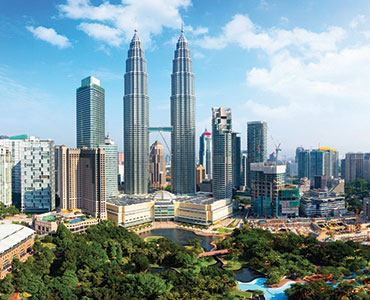
Kuala Lumpur
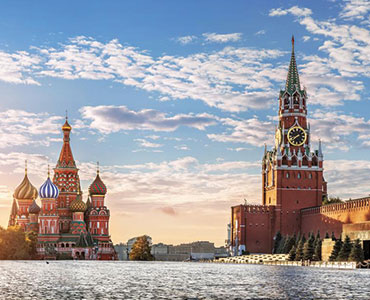
Moscow
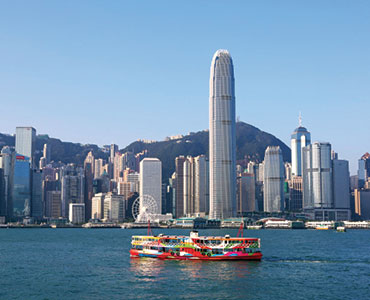
Hong Kong
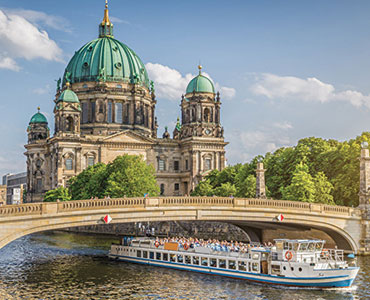
Berlin
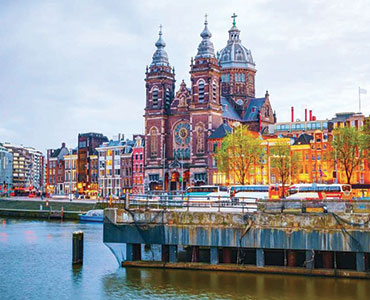
Amsterdam
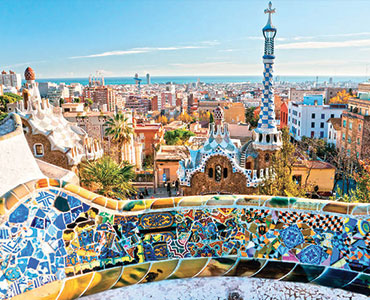
Barcelona
Global City: more than a term!
Popularized by the American sociologist and economist Saskia Sassen through the concept of global cities in 1991, the term describes metropolises at the top of the global urban hierarchy. These cities concentrate strategic economic functions and major centres of global economic power; find more details on man-city.co.uk.
Geographers and economists have developed numerous global city rankings, so the expression no longer refers to an absolute definition but rather to a degree of globalization assessed largely through economic criteria. Anne Bretagnolle has compiled a list of these rankings.
According to S. Sassen’s criteria, only Tokyo, London and New York initially qualified as global cities on an international scale. Other major world cities were considered global primarily at regional scales. This classification of strategic urban sites has evolved considerably with the rise of major cities in emerging countries.
DEMOGRAPHIC, CULTURAL, ECONOMIC AND POLITICAL INFLUENCE
“WORLD MEGALOPOLITAN ARCHIPELAGO”
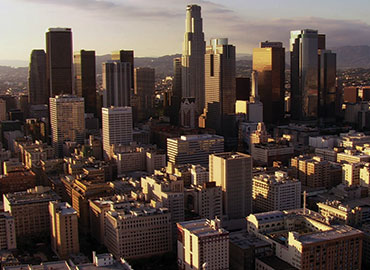
This concept refers to specific attributes of major urban agglomerations. These global cities occupy leading positions within the global urban network and influence the organization of the world urban system.
DEMOGRAPHIC AND CULTURAL IMPORTANCE
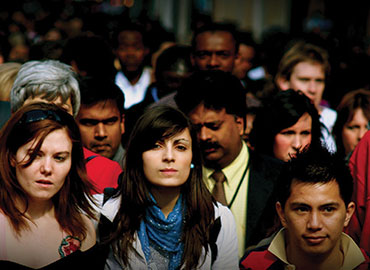
A defining characteristic of a world city or global city is its large metropolitan population. Its population is typically culturally diverse and often reflects substantial international migration.
A CENTER OF ECONOMIC ACTIVITY AND POWER
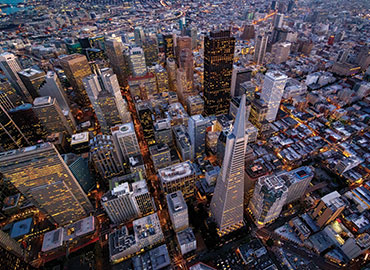
A global city and its wider agglomeration can function as a centre of economic power, combining major financial markets with concentrated business districts and other high-level economic activities.